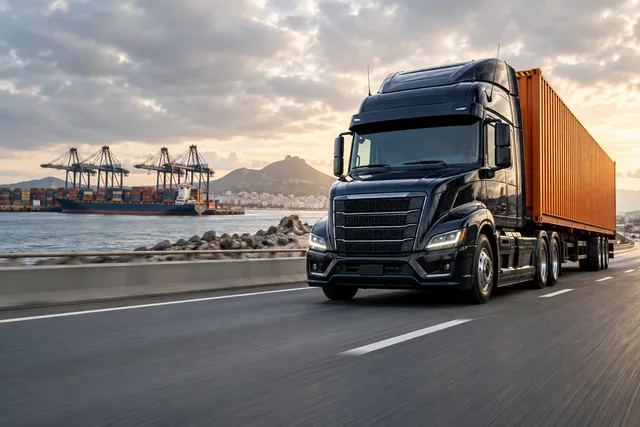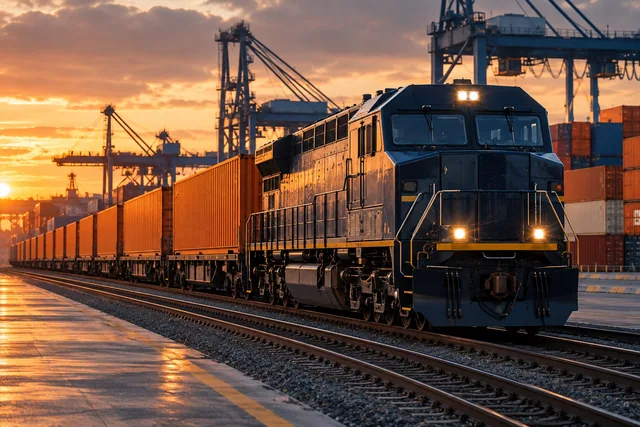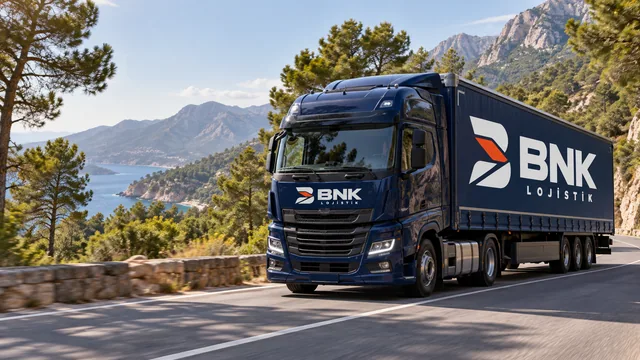

Iran works in two ways for our customers: as a destination market in its own right and as the land corridor to Turkmenistan and the rest of Central Asia. Both use the same Turkish border gates, but documents, timing and risk management differ. In 2026, disruptions on sea routes shifted part of Iran's trade to land, and truck traffic at Gürbulak rose noticeably. That is why we confirm the gate and route for every load against border conditions on the planned shipment date.
What we do on Iran shipments
- Understand the load: pickup and delivery addresses, cargo type, packing, pallet count, dimensions, weight and target date decide whether the load moves as a full truck (FTL) or as groupage (LTL).
- Choose the gate and route: we compare Gürbulak, Kapıköy and Esendere against the destination city, current congestion and the season.
- Check documents before loading: invoice, packing list and origin data must match; the TIR carnet and CMR must be complete.
- Share progress through a tracking link: loading, border exit, transshipment and delivery milestones, plus shared documents, are visible in one place.
Turkey–Iran border gates
| Turkish side | Iranian side | Typical direction |
|---|---|---|
| Gürbulak (Ağrı) | Bazargan | Tabriz, Zanjan, Qazvin, Tehran; Mashhad and transit to Turkmenistan. The busiest gate. |
| Kapıköy (Van) | Razi | Urmia, Tabriz and north-west Iran; an alternative when Gürbulak is congested. |
| Esendere (Hakkari) | Serow | Urmia and West Azerbaijan province; short access for regional deliveries. |
The gate used for a given shipment is confirmed during planning, based on conditions on the shipment date.
Iran as destination vs. Iran as transit
Delivery into Iran
When goods are cleared in Iran, the consignee's import registration and any product-specific conformity documents must be settled before dispatch. We plan full trucks to industrial centres such as Tehran and Tabriz, and groupage for smaller volumes.
Transit through Iran
Loads for Turkmenistan, Uzbekistan and other Central Asian countries cross Iran under customs seal with a TIR carnet, via Tabriz, Tehran and Mashhad to the Turkmen border. Transit to Turkmenistan via Iran takes roughly 5–7 days, depending on border and seasonal conditions. See our Central Asia freight page for the full corridor comparison.
Iran-bound cargo from China and Turkey
Cargo for Iran originating in China and Turkey is one of the main axes of our work. From Turkey we collect at the factory or warehouse and run directly to the border. For China-origin cargo we compare overland and rail connections through Central Asia with plans that bring goods by sea to Turkish ports and continue by road into Iran, combining sea freight, rail freight and road legs in one plan.
Document checklist
- Commercial invoice (with HS codes, unit and total values)
- Packing list (gross and net weight per package or pallet)
- Certificate of origin
- Export declaration
- CMR consignment note
- TIR carnet (especially for transit loads)
- Consignee's Iranian import registration and any required standard or conformity certificates
- Health, analysis or ADR documents for food, chemical or dangerous goods
Requirements are confirmed against current regulations and Iranian practice for each shipment.
Planning notes
- Driver entry: visa and entry conditions depend on the driver's nationality; for transit loads, permits for the next countries are arranged in advance.
- Payments: international payment channels with Iran can be limited. How the sale is settled should be agreed between the trading parties before dispatch; we agree freight payment terms at the quotation stage.
- Sanctions compliance: checking the goods, the buyer and other parties against sanctions lists and export control rules is the shipper's responsibility and should be completed before planning.
- Season: winter slows mountain roads in northern Iran, and border procedures can slow during Nowruz in late March.
Why BNK Logistics
- Iran and Central Asia, from China and Turkey, are the core directions of our operations.
- Planning-led work combining road, sea and rail in one plan.
- Communication in English, Turkish, Russian and Chinese, including WhatsApp.
- A tracking link for every shipment, with CMR, invoices, packing lists and photos kept in one file.
- Face-to-face meetings at our office in Muratpaşa, Antalya.
For a quote, send us the addresses, cargo type, packing, pallet count, dimensions, weight and target date. You can also read about our international road freight service.
Frequently asked questions
Which border gate is used for freight from Turkey to Iran?
Gürbulak–Bazargan is the busiest gate. Kapıköy–Razi and Esendere–Serow are used depending on destination and congestion. The gate is confirmed during planning based on conditions on the shipment date.
Do you offer groupage (LTL) to Iran?
Yes. Loads that do not fill a truck are planned as groupage. We confirm consolidation options and the expected loading date at the quotation stage.
How long does freight to Tehran take?
Transit time depends on border congestion, season and where customs clearance takes place. Because 2026 has seen heavier land traffic at the gates, we give an estimated range for your specific load and date.
Can you ship China-origin cargo to Iran?
Yes, cargo for Iran from China and Turkey is a core part of our work. For China-origin loads we compare overland and rail routes via Central Asia with sea-and-road plans via Turkish ports.
Who is responsible for sanctions screening?
Screening the goods and all parties against sanctions lists and export control rules is the shipper's responsibility. We ask that it is completed before shipment planning starts.
How can I track my shipment?
Once the shipment is opened, we send you a tracking link showing border exit, transshipment and delivery dates, the current location and shared documents such as the CMR and invoice.