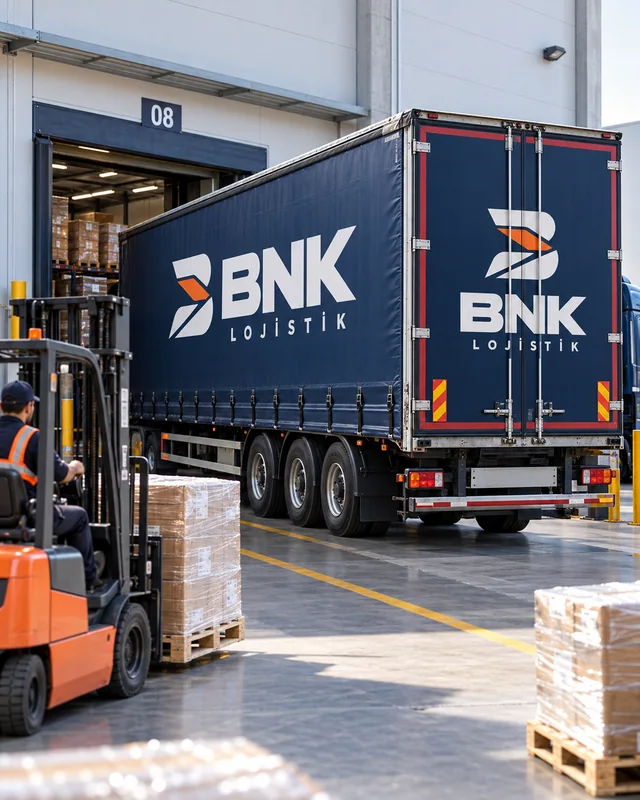
Russia is one of the longest road destinations from Turkey and one that rewards careful planning. A truck crosses the whole of Anatolia, transits Georgia, enters Russia through the main road crossing in the Caucasus mountains and then continues hundreds or thousands of kilometres to Moscow or beyond. What makes this journey run smoothly is the preparation done before loading: the right route, complete documents, a schedule adjusted to the season and early contact with the consignee's customs representative. At BNK Logistics we plan every Russia shipment in that order.
What we do on the Turkey–Russia lane
- Listen first: loading and delivery addresses, cargo type, packaging, pallet count, dimensions, total weight and target delivery date.
- Choose the route with you: direct road via Georgia, the Black Sea Ro-Ro link to Novorossiysk, or a combined plan, explained with the reasoning behind it.
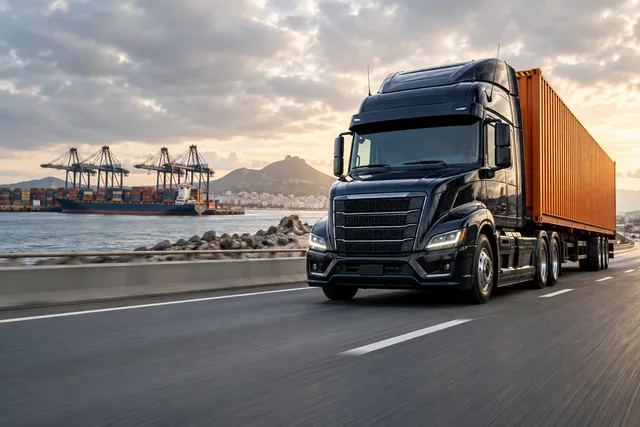
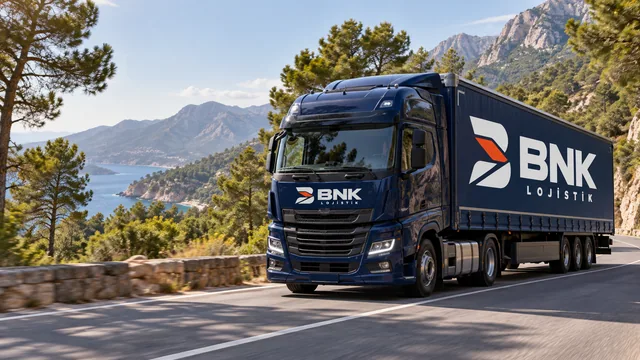
- Plan the right vehicle and equipment: curtainsider or mega trailer for dry cargo, temperature-controlled reefer for fresh produce and food, full truckload for large volumes and groupage for smaller lots.
- Check documents before loading: product description, carton count and weight must match across invoice, packing list, CMR and certificates.
- Share a tracking link: loading, border exit, entry into Russia, estimated delivery date and shared documents are visible in one place.
Routes from Turkey to Russia
Current situation (October 2026): since August 2026, sailings across the Black Sea to Novorossiysk carry war-risk surcharges and several lines have suspended calls at Russian ports. We therefore plan most loads by road via Georgia and Upper Lars, and offer the sea link only after confirming current conditions for the shipping date.
| Criteria | Road via Georgia (Upper Lars) | Black Sea link (Novorossiysk) |
|---|---|---|
| Approximate transit to Moscow | About 8–14 days | Depends on sailing schedule, often a similar range |
| Flexibility | High, departures almost any day | Tied to sailing days and space |
| Border risk | Queues at Upper Lars; weather closures in winter | Fewer land borders; port congestion matters |
| Best for | Reefer, full loads, urgent door-to-door cargo | Planned, regular, schedule-flexible shipments |
Transit times are approximate and vary with border congestion, season, loading speed and customs clearance at destination. Border and route conditions on the shipping date are confirmed during planning.
Road via Georgia: Sarp and Upper Lars
The most common route leaves Turkey at the Sarp border crossing, transits Georgia under a TIR carnet and CMR, climbs the Caucasus north of Tbilisi and enters Russia at Upper Lars (Verkhny Lars) into North Ossetia. From Vladikavkaz the truck continues to Moscow and other cities. Upper Lars is the main road crossing between Georgia and Russia, so queues can build up in busy periods and the mountain pass may close temporarily in winter because of snow and avalanche risk. We build this buffer into the schedule from the start. For Georgia transit and other Caucasus crossings, see our Caucasus freight page.
Black Sea link: Novorossiysk
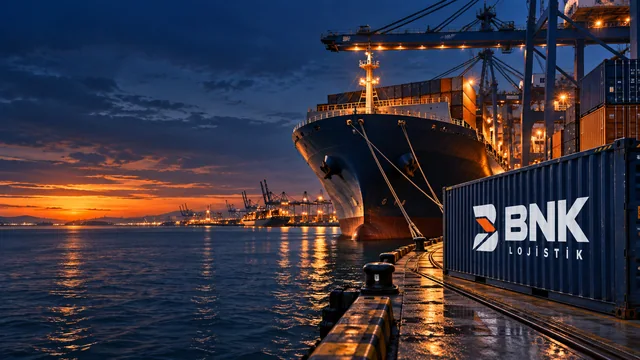
Trailers or complete trucks can be shipped by Ro-Ro from Samsun or Karasu to Novorossiysk and then continue by road. This shortens land border crossings and driver time and avoids the Upper Lars queue, but it depends on sailing frequency, available space and port congestion. For bulky, schedule-flexible cargo, container shipping can also be considered; we connect the port legs through our sea freight planning.
Refrigerated transport from Antalya to Russia
Russia is one of the key markets for fresh fruit and vegetables from Antalya. Tomatoes, peppers, cucumbers, aubergines and citrus from the greenhouses of Kumluca, Demre, Serik, Aksu and Finike move to wholesale markets and retail distribution centres around Moscow mainly from autumn to spring. These loads require temperature-controlled trucks, and Antalya–Moscow transit is typically planned at about 10–11 days, longer when winter weather affects the Caucasus pass. Pre-cooling, the correct set point, air circulation between pallets, temperature recording and short door-opening times at borders are the critical points; products with different temperature needs should not share a trailer. During the season demand for reefer trucks out of Antalya rises sharply, so sharing your weekly loading plan early helps. More on our refrigerated transport service.
Full truckload and groupage
Most Russia-bound cargo moves as a full truckload: a standard curtainsider takes about 33 euro pallets and up to 24 tonnes. Lots that do not fill a truck can go as groupage (LTL); consolidation may add a few days. Destinations beyond Moscow, such as St Petersburg, Kazan or Yekaterinburg, add further days on Russian roads.
Documents checklist
- Commercial invoice and packing list
- CMR consignment note and TIR carnet for transit
- Certificate of origin
- Export customs declaration
- Phytosanitary certificate for fresh produce; veterinary certificate for animal products
- Product conformity and quality certificates depending on the product group (Eurasian Economic Union technical regulations may apply)
Requirements vary by product and are confirmed against current regulations. We recommend checking HS codes and certificate expectations with the consignee's customs representative before loading.
Sanctions, payments and other sensitive topics
Rules on sanctions, export controls, payment channels and restrictions on certain product groups in trade with Russia can change. We do not give definitive rulings on these topics: checking that the goods, the buyer and the payment structure comply with current rules is the responsibility of the trading parties and should be completed before shipment. Current regulations and conditions are confirmed during planning, and we build the route and transport plan accordingly.
What affects the price
We do not publish fixed rates; each quote reflects vehicle type, route and transit costs, whether Ro-Ro is used, fuel prices and exchange rates, season, border waiting times, unloading conditions and full or groupage loading.
Why BNK Logistics
- Planning-first approach: route, season and border conditions are reviewed before the truck leaves.
- Multimodal view: road, Black Sea link and combined options compared side by side.
- Communication in Turkish, English, Russian and Chinese, including WhatsApp.
- Tracking link for every shipment and all documents kept in one folder.
- Face-to-face meetings at our office in Muratpaşa, Antalya.
To request a quote, send loading and delivery addresses, cargo type, packaging, pallet count, dimensions, total weight, target shipping date and any special handling needs. You receive a tracking code when you submit the request form. See also our international road freight page.
Frequently asked questions
How long does road freight from Turkey to Russia take?
Via Georgia and Upper Lars to Moscow, we typically plan about 8–14 days. Reefer loads from Antalya to Moscow usually take about 10–11 days. Border congestion, winter weather and destination customs can change this.
Which border crossing do trucks use to enter Russia?
The most common route is Sarp into Georgia and then Upper Lars (Verkhny Lars) into Russia. The Black Sea link to Novorossiysk is an alternative. The route is confirmed during planning based on conditions on the shipping date.
Is Ro-Ro or direct road better?
Direct road is more flexible for urgent and temperature-sensitive cargo. The Ro-Ro link to Novorossiysk reduces land border waiting for planned, regular shipments. We choose together based on your cargo and schedule.
Can I ship a small lot to Russia?
Yes, lots that do not fill a truck can travel as groupage together with other cargo. Consolidation may add a few days compared with a full truckload.
Do you advise on sanctions and payments?
These rules change over time, so we do not give definitive rulings. Compliance checks on goods, buyer and payment structure are the responsibility of the trading parties. Current regulations and conditions are confirmed during planning.
Can you ship to Russia in winter?
Yes, but Upper Lars can close temporarily due to snow and avalanche risk. We add a waiting buffer to winter schedules and consider the Black Sea link as an alternative when needed.