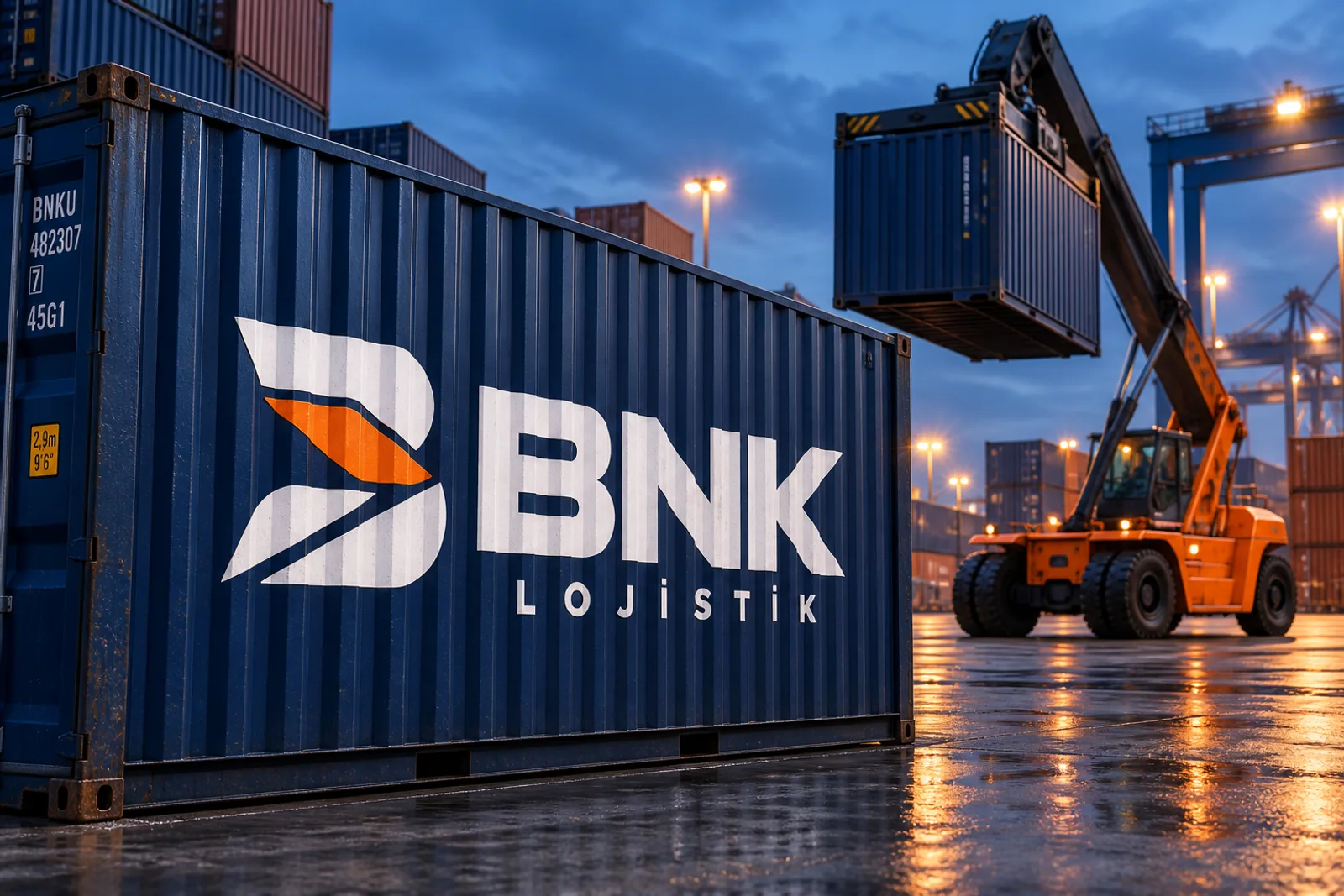
China is the starting point of the corridor where most of BNK Logistics' operations are concentrated. This page covers three needs in one place: imports from China to Turkey, exports from Turkey to China, and cargo shipped from China directly to buyers in Central Asia and Iran without passing through Turkey. In each case the decision rests on the same questions: how bulky and how urgent is the cargo, does it fit in a container, and is door-to-door delivery required? We compare sea, rail and road against those questions and explain our recommendation.
What we do on China shipments
- Plan both ends: the supplier's factory address, cargo-ready date, Incoterms and the delivery address in Turkey or Central Asia.
- Choose the mode with reasoning: sea container (FCL/LCL), rail via the Middle Corridor and the Baku–Tbilisi–Kars line, or road-linked solutions.
- Check documents before loading: carton count, weights and product description must match; we ask for loading photos and the seal number.
- Communicate in Chinese, Russian, English and Turkish with the supplier and the buyer.
- Share a tracking link: factory departure, border exit, transshipment, estimated delivery dates and shared documents in one place.
China to Turkey: import options
| Mode | Approximate transit | Cost level | Best for |
|---|---|---|---|
| Sea (FCL/LCL) | About 30–45 days | Low | Bulky, heavy cargo: machinery, furniture, building materials, packaged consumer goods |
| Rail (Middle Corridor / BTK) | About 12–18 days | Medium | Containerised, time-sensitive, mid-to-high value goods |
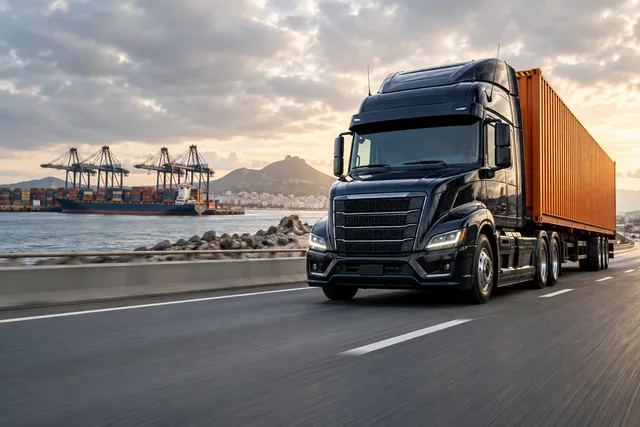
| Road (linked) | Variable, often 15–25 days | Medium-high | Groupage and special cargo with transshipment in Central Asia |
Times are approximate terminal-to-terminal figures and vary with season, transshipments and border or ferry conditions; inland legs and customs are added. Space is harder to find before Chinese holidays.
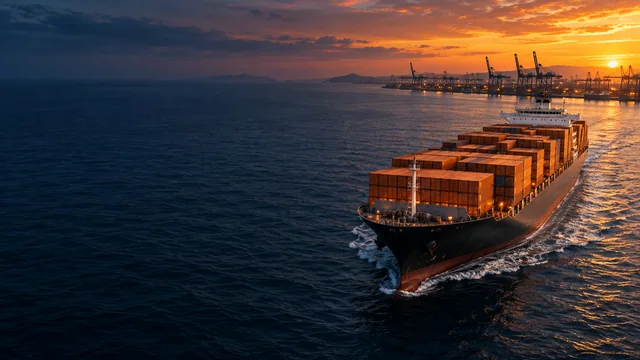
Sea: containers from Shanghai, Ningbo, Shenzhen, Guangzhou and Qingdao reach Mersin, Izmir, Ambarlı or Antalya via the Suez Canal. FCL suits full or fragile loads; LCL suits smaller lots, roughly below 15 m³. We connect port and inland legs through our sea freight planning.
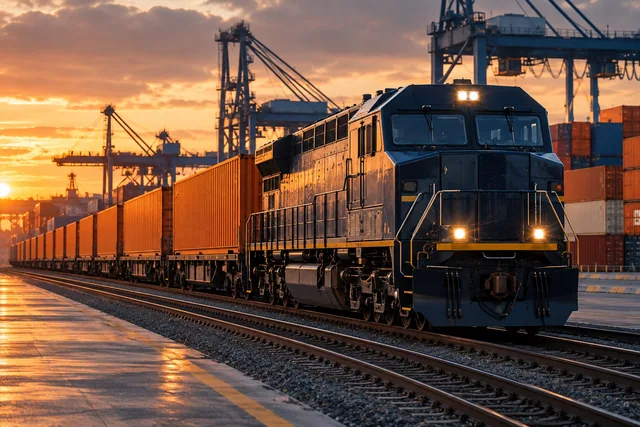
Rail: container trains from terminals such as Xi'an, Chongqing, Chengdu or Urumqi enter Kazakhstan at Dostyk or Khorgos, where cargo is transferred between standard and broad gauge, continue to Aktau or Kuryk, cross the Caspian by ferry to Alat near Baku and reach Turkey via the Baku–Tbilisi–Kars line. Capacity is more limited than sea, so we book early. Details on our rail freight page.
Incoterms and quote scope: under EXW the buyer organises everything from the factory; under FOB the seller delivers to the vessel in China; under CIF the seller pays freight and minimum insurance, and costs from the Turkish port are the buyer's. When comparing quotes, check whether ocean freight, terminal handling charges, document fees, demurrage and detention free days and inland delivery are included. Separate cargo insurance on the real value of the goods is worth considering.
Import customs: HS code, duties, any additional duties or surveillance, VAT and product safety checks should be clarified with a customs broker before shipment; requirements are confirmed against current regulations.
Turkey to China: export options
Most exports to China also travel by sea container from Antalya or Mersin to Shanghai, Ningbo, Qingdao or Shenzhen, in about 30–45 days. When the delivery date is critical and the cargo is containerised, the Middle Corridor rail route works in reverse, in about 12–18 days. Natural stone blocks usually go in 20' containers because of weight limits; light, bulky goods in 40' HC. Product registration, labelling and importer requirements on the Chinese side are confirmed with the buyer and against current regulations.
From China to Central Asia and Iran
Shipping from China directly to buyers in Kazakhstan, Uzbekistan, Kyrgyzstan, Tajikistan, Turkmenistan and Iran is one of our core lanes.
| Destination | Main connections |
|---|---|
| Kazakhstan (Almaty, Astana, Shymkent) | Rail via Dostyk and Khorgos; Khorgos road crossing |
| Kyrgyzstan (Bishkek, Osh) | Irkeshtam and Torugart road passes; rail via Kazakhstan |
| Uzbekistan (Tashkent, Fergana Valley) | Rail via Kazakhstan; road via Kyrgyzstan |
| Tajikistan, Turkmenistan | Rail and road connections through neighbouring countries |
| Iran | Rail via Kazakhstan and Turkmenistan (or Uzbekistan); road via Central Asia |
Transit depends on train schedules, gauge-change congestion, mountain-pass seasons and customs at destination, so we give an approximate range for your shipping date rather than a fixed number. See Central Asia freight and Iran freight. For Iran, payment channels, sanctions and export-control rules can change; compliance checks on goods and parties are the responsibility of the trading parties and should be completed before shipment.
Documents checklist
- Commercial invoice and packing list
- Certificate of origin
- Transport document: bill of lading, CIM, SMGS or combined CIM/SMGS, or CMR
- Export or import declaration; TIR carnet or transit declaration where applicable
- Conformity, phytosanitary, veterinary or analysis certificates as required
- IMDG or ADR documents for dangerous goods
Requirements depend on product and destination and are confirmed against current regulations.
Why BNK Logistics
- China- and Turkey-origin shipments to Central Asia and Iran are at the centre of our operations.
- Sea, rail and road compared in a single plan.
- Communication in Turkish, English, Russian and Chinese, including WhatsApp.
- Tracking link and all shipment documents in one folder.
- Face-to-face meetings at our Antalya office.
For a quote, send the loading address in China (or Turkey), delivery address, cargo type, packaging, pallet count, dimensions, total weight, ready and target delivery dates, Incoterms and any special handling needs.
Frequently asked questions
How long does freight from China to Turkey take?
By sea, about 30–45 days terminal to terminal; by Middle Corridor rail, about 12–18 days. Inland transport, customs and final delivery are added for door-to-door. Season and transshipment conditions can change these ranges.
Should I choose sea or rail from China?
Sea is more economical for bulky cargo with a flexible delivery date. If timing is critical and the cargo is containerised, rail shortens transit significantly. We decide together based on your cargo and schedule.
Do you ship from China directly to Kazakhstan or Uzbekistan?
Yes, China-origin shipments to Central Asia are one of our core lanes. We consider rail via Dostyk and Khorgos, road via Irkeshtam and Torugart and other connections depending on the cargo.
Do you handle shipments from China to Iran?
Yes, we plan China–Iran shipments via rail and road connections through Central Asia. Routes and conditions are confirmed for the shipping date, and compliance checks on goods and parties remain the responsibility of the trading parties.
Is LCL a good option for small quantities?
Below roughly 15 m³, LCL is usually more economical. For fragile or high-value goods, a 20' FCL may be preferred to reduce handling.
What documents are needed for exports to China?
Commercial invoice, packing list, certificate of origin, customs declaration and the transport document (bill of lading or CIM) are the basic set. Product-specific certificates are added, and requirements are confirmed against current regulations.